Introduction to Sustainable Kitchen Remodeling
Sustainable kitchen remodeling is an integral approach that emphasizes the necessity of reducing environmental impacts while promoting eco-friendly living. In a world increasingly aware of climate change and resource depletion, adopting sustainable practices during home renovations has become paramount. The kitchen, often regarded as the heart of the home, serves as a perfect starting point for such initiatives. By prioritizing sustainability in kitchen remodeling, homeowners can make a significant difference in their carbon footprint and energy consumption.
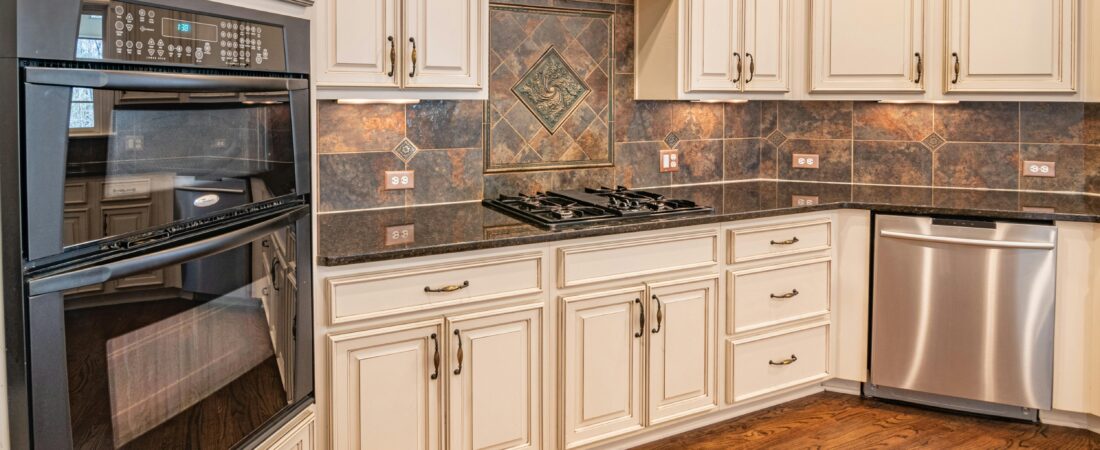
A key aspect of sustainable kitchen remodeling is the incorporation of earth tones in design. Earth tones not only provide a harmonious and aesthetically pleasing environment, but they also promote a connection to nature, creating a calm and inviting space. Utilizing materials such as reclaimed wood, recycled cabinetry, and non-toxic paints can enhance the beauty of the kitchen while aligning with eco-friendly principles. The palette of earth tones blends seamlessly with these materials, enhancing the overall theme of sustainability.
In addition to aesthetic considerations, smart technology plays a crucial role in the evolution of sustainable kitchen design. Integrating smart appliances and energy-efficient systems into the kitchen can vastly improve efficiency and reduce waste. For instance, smart thermostats can regulate energy use, while LED lighting can significantly lower power consumption. Additionally, smart water usage systems can help minimize water waste, further supporting sustainable practices.
Ultimately, sustainable kitchen remodeling not only addresses environmental concerns but also reflects a modern lifestyle commitment to health and well-being. The fusion of earth tones with smart technology creates an environment that is not only beautiful but also functional and sustainable. As more individuals recognize the importance of eco-friendly living, embracing these concepts in kitchen design will continue to grow in popularity.
Understanding Earth Tones in Kitchen Design
Earth tones encompass a spectrum of colors inspired by nature, reflecting the hues found in soil, foliage, and rock formations. These colors typically include browns, tans, muted greens, and soft grays, all of which create a warm and inviting atmosphere within the kitchen space. The significance of utilizing earth tones in kitchen design lies in their ability to promote a sense of tranquility and comfort, making the kitchen a welcoming area for family gatherings and culinary activities.
One of the psychological effects of earth tones is their grounding nature. For example, warm browns can evoke feelings of stability and security, reminiscent of the earth itself. In contrast, muted greens can foster a serene and refreshing ambiance, encouraging relaxation and creativity during meal preparation. When these colors are integrated into the kitchen, they not only beautify the space but also influence the mood and functionality of the environment.
In modern kitchen design, the use of earth tones can be observed in cabinetry, countertops, and backsplash selections. For instance, a deep forest green cabinetry paired with warm wood accents can establish a cohesive look that harmonizes with natural elements. Furthermore, incorporating earthy textures—such as stone or reclaimed wood—can enhance this aesthetic, creating a kitchen that feels connected to the outdoors.
As homeowners look to remodel their kitchens sustainably, embracing earth tones becomes a practical choice. These colors are versatile and can be easily paired with various design styles, from rustic to contemporary. Thus, the significance of earth tones extends beyond mere aesthetics; they encapsulate a lifestyle choice that aligns with sustainable practices and a deep appreciation for nature within the living spaces we cherish.
Benefits of Using Earth Tones
Incorporating earth tones into kitchen remodeling offers numerous benefits that can transform the atmosphere of the space. These colors, which are inspired by nature, evoke feelings of calmness and tranquility. Shades such as warm browns, soft greens, and muted grays can create a serene environment, promoting relaxation in a busy household.
Furthermore, the use of earth tones can significantly enhance the mood of the space. These colors are associated with stability and comfort, making them ideal for a kitchen—a place where families gather and memories are created. When individuals enter a kitchen adorned with these natural hues, they often feel welcomed and at ease, leading to a more enjoyable cooking or dining experience.
Additionally, earth tones have the remarkable ability to increase the perceived warmth of a kitchen. These colors can help to soften the hard edges typically associated with modern kitchen designs. For example, pairing a rich terracotta backsplash with wooden cabinetry can produce a cohesive and inviting design. Such combinations not only add character but also ensure that the kitchen feels like the heart of the home.
Earth tones also offer versatility when it comes to materials and finishes. Whether it is complemented by stainless steel appliances, rustic wooden surfaces, or sleek granite countertops, these colors seamlessly blend with a variety of design elements. This compatibility allows homeowners to express their personal style while maintaining a cohesive look throughout the kitchen.
In summary, adopting earth tones in kitchen remodeling enhances the overall aesthetic, creates a calming atmosphere, and improves the space’s warmth. By strategically using these colors, homeowners can ensure their kitchens are not only functional but also serve as a sanctuary that is visually pleasing and inviting.
Integrating Smart Technology in the Kitchen
The integration of smart technology in kitchen remodeling is reshaping how we interact with our cooking spaces. This transition is not only about aesthetic upgrades but also involves the incorporation of advanced appliances and systems designed for enhanced energy efficiency and improved convenience. One of the prominent innovations within this realm is the emergence of smart appliances. These devices, which include refrigerators, ovens, and dishwashers, can be controlled remotely via smartphones or integrated with home automation systems. For instance, smart refrigerators can monitor inventory levels, suggest recipes based on available ingredients, and remind users of expiration dates, thereby minimizing food waste.
In addition to smart appliances, lighting systems have seen a significant upgrade with smart technology. Smart lighting allows users to customize brightness and color temperature, promoting not only an enhanced cooking experience but also energy conservation. Through programmable settings, homeowners can automate lighting schedules or control it via voice commands, ensuring that they have the right ambiance when preparing meals or entertaining guests.
Furthermore, energy management tools play a crucial role in sustainable kitchen practices. Smart thermostats and energy-monitoring systems enable homeowners to track energy consumption and optimize appliance usage. With real-time data, households can make informed decisions about energy use, allowing for reductions in both utility costs and environmental impact. This seamless integration of technology not only simplifies cooking tasks but also encourages more sustainable habits in the kitchen.
By embracing these technologies, kitchen remodeling aims to not only create a functional and stylish environment but also to promote eco-friendly practices that benefit both the homeowner and the planet. As the demand for smarter homes continues to grow, integrating these innovative solutions in kitchen designs is becoming increasingly vital.
The Intersection of Earth Tones and Smart Tech
The integration of earth tones and smart technology in kitchen remodeling reflects a growing trend that combines aesthetic appeal with modern functionality. Earth tones, characterized by their natural hues, such as taupe, terracotta, olive green, and muted browns, foster a calming environment while promoting sustainability. These colors can beautifully complement smart appliances, creating a cohesive and inviting atmosphere in any kitchen design.
When selecting color schemes, consider pairing warm earth tones with sleek, modern smart fixtures. For instance, a warm beige or taupe cabinetry can serve as the perfect backdrop for high-tech stainless steel appliances, ensuring they stand out without clashing. Similarly, muted greens can harmonize with bamboo accents, offering an eco-friendly touch that works well with smart technology.
To achieve a seamless blend, explore options like smart lighting systems that adjust to the color palettes introduced by earth tones. Installing warm LED lights under cabinets can enhance the rich hues of natural materials, creating an inviting ambiance while maintaining energy efficiency. Additionally, consider smart thermostats and touch-controlled faucets crafted in earthy finishes that complement cabinet colors, further unifying the decor.
Another beneficial practice is incorporating sustainable materials that echo earth tones in the design. For example, countertops made from recycled materials not only contribute to the aesthetic but also align with eco-conscious values. When selecting tech-savvy appliances, prioritize those that offer energy-efficient functionalities, which can be seamlessly integrated into the overall design while maintaining the desired color scheme.
In conclusion, the intersection of earth tones and smart technology in kitchen remodeling provides a unique opportunity to create a harmonious balance between style and innovation. By thoughtfully selecting colors and integrating modern smart fixtures, homeowners can design an environment that is both elegant and functional, reflecting a commitment to sustainability and modern living.
Choosing Sustainable Materials for Your Remodel
When considering a kitchen remodel with a focus on sustainability, the materials selected play an essential role in both aesthetics and environmental impact. Earth tones evoke a connection to nature, while sustainable materials enhance this theme and contribute to eco-friendly practices. One of the standout options for cabinetry is bamboo. This fast-growing renewable resource offers durability, strength, and a stunning natural appearance that fits well within an earthy color palette.
Recycled countertops present another excellent choice. Made from post-consumer materials, such as glass, concrete, or reclaimed wood, these surfaces not only reduce waste but also provide unique textures and colors. By opting for recycled countertops, homeowners can add character to their kitchens while minimizing their ecological footprint. For cabinets and surfaces, it’s advisable to check for products that feature low-VOC (volatile organic compounds) formulations. Low-VOC paints and finishes significantly improve indoor air quality, making them a vital feature for any environmentally conscious remodeling project.
Additionally, the use of natural stone, such as reclaimed granite or quartzite, can enhance the beauty of a kitchen while being sustainably sourced. These materials are not only visually appealing but also long-lasting, helping to reduce the need for replacements over time. Choosing sustainable materials means not only investing in your kitchen’s aesthetic appeal but also supporting environmentally friendly practices that contribute to the health of the planet. As homeowners embrace technology in their kitchens, integrating smart tech with sustainable materials can create a harmonious balance between efficiency and eco-friendliness in modern design.
Practical Tips for a Sustainable Kitchen Remodel
Remodeling your kitchen with a focus on sustainability not only benefits the environment but can also improve the overall efficiency of your home. Here are several actionable tips to guide your project.
First and foremost, prioritize energy efficiency in your planning phase. Incorporate energy-efficient appliances that bear the Energy Star certification, which indicates they meet strict energy performance standards. These appliances use less electricity and water, ultimately leading to a reduced utility bill. Consider installing smart technology that can monitor energy usage and allow remote management, enabling further optimization of energy consumption.
Next, focus on selecting eco-friendly materials for your kitchen remodel. Opt for sustainable options such as bamboo or reclaimed wood for cabinetry, as these materials are not only durable but also enhance the aesthetic of your kitchen. Countertops made from recycled materials or natural stone can further minimize your environmental impact, providing beauty without compromising sustainability. Ensure that all products, including paints and finishes, are low in volatile organic compounds (VOCs) to improve indoor air quality.
Sourcing locally is another essential aspect of a sustainable kitchen remodel. By choosing local suppliers and materials, you can significantly reduce the carbon footprint associated with transportation. This practice also supports local economies and showcases unique materials that reflect the character of your region. Furthermore, incorporating plants or herbs into your kitchen design can enhance the space’s aesthetic while promoting a natural ambiance.
In conclusion, by focusing on energy efficiency, incorporating eco-friendly materials, and sourcing locally, homeowners can create a kitchen that is not only functional but also sustainable. These practical tips will help guide the remodeling process towards a more environmentally conscious approach, yielding benefits for both the homeowner and the planet.
Case Studies: Successful Sustainable Kitchen Remodels
As the demand for environmentally friendly homes continues to grow, many homeowners are now turning to sustainable kitchen remodeling as a viable option. This shift has been exemplified through several successful case studies that integrate earth tones and smart technology into their designs.
One noteworthy example is a contemporary kitchen remodel in an urban setting. The homeowners sought to transform their outdated kitchen into a space that is both functional and environmentally conscious. They opted for reclaimed wood cabinetry, which not only provides a unique aesthetic but also minimizes the impact on forest resources. Earth-tone colors, such as moss green and deep brown, were selected for the walls and countertops, creating a warm and inviting atmosphere while promoting a connection to nature.
Incorporating smart technology into this design played a vital role in enhancing functionality. The installation of energy-efficient appliances, such as an induction stove and a smart refrigerator, not only reduced energy consumption but also emphasized the kitchen’s modern appeal. Additionally, smart lighting systems were installed, allowing for the use of natural light during the day and energy-efficient LED lighting at night, further contributing to the kitchen’s sustainability.
Another impressive case study involved a family who wanted their kitchen to reflect a more organic and sustainable lifestyle. They chose to use bamboo flooring and sustainably sourced granite countertops, both of which maintain a natural appearance that complements the overall color palette of warm earth tones. The remodel also featured a hydroponic herb garden, integrating technology that enables homegrown food production. This not only decreases reliance on commercially farmed produce but also promotes an eco-friendly lifestyle.
These examples illustrate that it is indeed feasible to create beautiful, functional, and sustainable kitchen spaces by embracing earth tones and smart technology. Such choices not only minimize environmental impact but also set a precedent for future home improvement projects focused on sustainability.
Conclusion and Future Trends in Sustainable Kitchen Remodeling
Sustainable kitchen remodeling represents a significant shift towards eco-conscious design that prioritizes not only aesthetic appeal but also environmental responsibility. Throughout this article, we have explored various elements that define a sustainable kitchen, including the integration of earth tones, energy-efficient appliances, and eco-friendly materials. These features contribute to creating a harmonious space that rounds out the culinary experience while minimizing ecological impact.
As we look ahead, it is clear that the trend towards sustainability in kitchen remodeling is gaining momentum. The incorporation of smart technology is particularly noteworthy, as it enhances functionality and promotes energy conservation. Home automation systems, smart appliances, and energy monitoring tools can significantly reduce energy consumption and streamline everyday tasks. This technological advancement not only makes kitchens more efficient but also encourages families to become more aware of their energy habits.
Furthermore, the use of sustainable materials such as bamboo, recycled metals, and low-VOC finishes is expected to become more prevalent as consumers prioritize eco-friendly products during their remodeling projects. Manufacturers are increasingly responsive to this demand, providing a wide range of options that do not compromise on quality or style. This evolution in material sourcing reflects a growing awareness and commitment to sustainability within the industry.
In addition to these trends, the emphasis on biophilic design, which seeks to connect indoor spaces with the natural environment, is anticipated to rise in popularity. Incorporating natural light, greenery, and organic shapes can create a tranquil kitchen atmosphere that enhances well-being and acknowledges humanity’s intrinsic connection to nature.
In conclusion, sustainable kitchen remodeling is not merely a trend but an essential movement towards a more responsible future in home design. As eco-conscious design and technology continue to intertwine, kitchens will evolve into spaces that are both functional and gentle on the planet, underscoring the importance of creating homes that align with sustainable living principles.