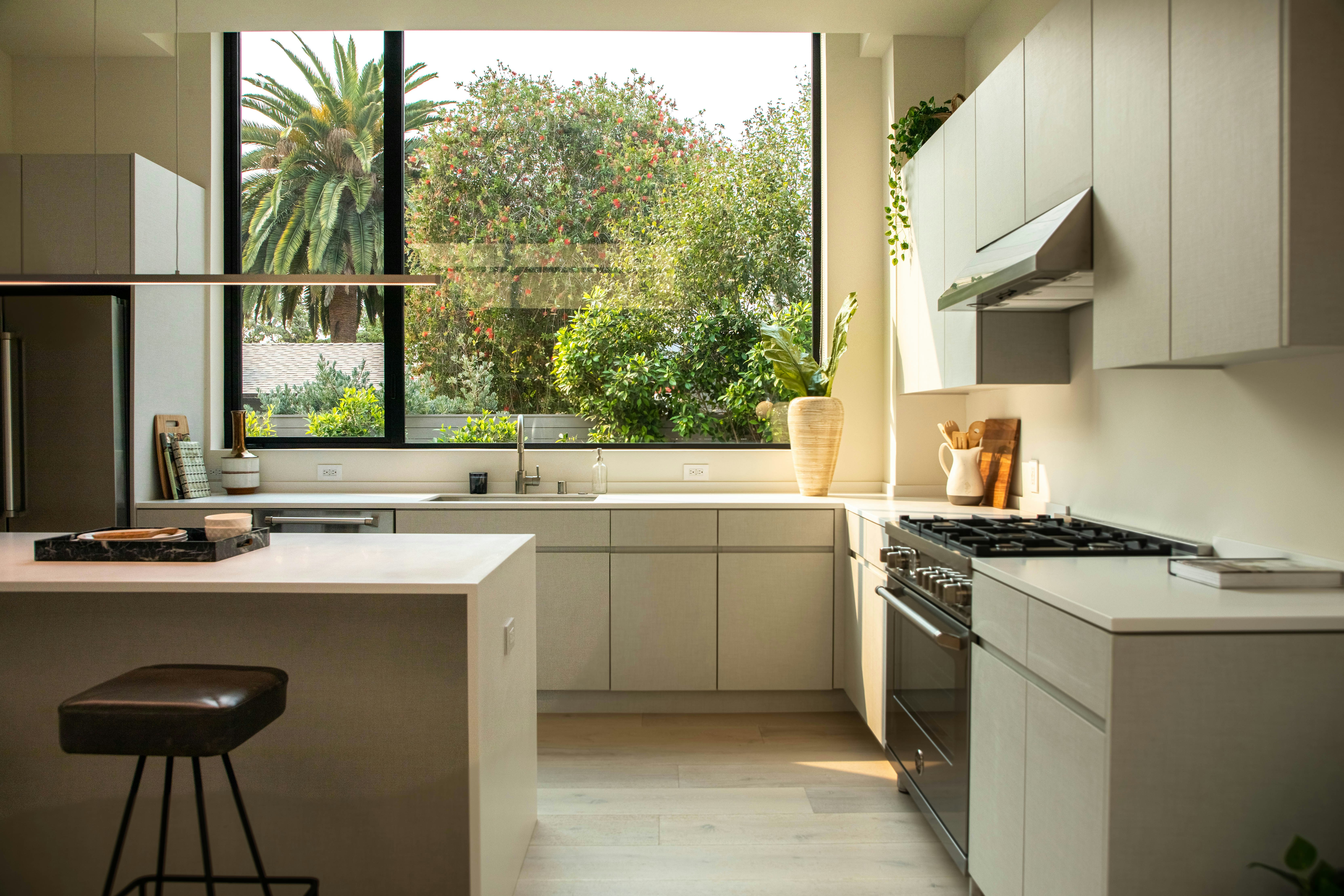
Introduction: The Importance of Planning Your Kitchen Remodel
A kitchen remodel is more than just a home improvement project; it is an opportunity to enhance your living space significantly. The kitchen often serves as the heart of the home, a place for family gatherings, meals preparation, and even entertainment. Therefore, careful planning is essential to ensure that the remodel meets both functional and aesthetic needs. Without a well-thought-out remodeling timeline, the process can become overwhelming and chaotic, leading to stress and potentially increased costs.
One of the primary benefits of a successful kitchen remodel is its positive impact on home value. A well-executed project can increase your property’s marketability by enhancing the overall appeal of your home. Prospective buyers often look for updated kitchen spaces, as these areas can greatly influence their purchasing decisions. Additionally, effective kitchen layout optimization can significantly improve functionality. For example, creating a more efficient workflow with better placement of appliances and storage can make cooking and entertaining much easier.
To begin the planning process, homeowners should start by identifying their specific needs and desires for their kitchen remodel. This includes considering factors such as style, layout, and the types of materials to be used. Engaging with professional contractors can be instrumental in bringing these ideas to fruition. When hiring contractors, it is crucial to communicate your vision clearly and establish a comprehensive remodeling timeline to avoid any misunderstandings or delays. This initial stage will set the foundation for a successful renovation journey.
Overall, taking the time to plan thoroughly can transform a kitchen remodel from a daunting task into an exciting endeavor that adds substantial value and enjoyment to your home.
Setting Your Budget for a Kitchen Remodel
When embarking on a kitchen remodel, one of the most critical initial steps is setting a realistic budget. Understanding the costs associated with different aspects of the remodel helps homeowners make informed decisions, thus optimizing their remodeling timeline. The initial budget should encompass several key components, including cabinets, countertops, appliances, and labor costs.
Cabinets often represent a significant portion of the overall kitchen renovation expenses. Homeowners should evaluate their options, selecting materials and designs that align with both their aesthetic preferences and budgetary constraints. Countertops also play a vital role in the kitchen layout optimization, as they not only affect the functional aspect of the kitchen but can vary greatly in price based on materials chosen, such as granite, quartz, or laminate.
Furthermore, appliances can exert a substantial impact on the financial commitment involved. Investing in energy-efficient models may have higher upfront costs but can yield long-term savings on utility bills. Labor is another crucial expense; hiring contractors with experience in kitchen renovations can affect the budget significantly. Therefore, it is essential to obtain multiple quotes and clearly outline the scope of work so expectations align with price.
To facilitate funding for these expenses, homeowners should explore various financial options. These might include home equity loans, personal loans, or even government grants aimed at home improvement. Setting priorities is essential; categorizing desired upgrades into ‘needs’ and ‘wants’ can streamline the budgeting process and ensure that critical projects receive adequate funding.
In conclusion, taking the time to meticulously plan and budget for a kitchen remodel lays the groundwork for successful execution and satisfaction with the final outcome. By accounting for all potential costs and exploring various funding options, homeowners can navigate the complexities of their remodel with greater ease.
Step 2: Designing Your Kitchen Layout
Choosing the right layout for your kitchen is essential in the remodeling timeline, as it significantly impacts the efficiency and overall aesthetic of the space. Homeowners typically consider several popular kitchen layouts, such as U-shape, L-shape, and galley, each offering unique benefits that cater to different needs and preferences.
The U-shape layout consists of three walls, providing ample storage and workspace, ideal for larger kitchens. This design allows for the creation of an effective work triangle which includes the sink, stove, and refrigerator, optimizing workflow in the kitchen. Alternatively, the L-shape layout can enhance kitchen layout optimization in smaller areas, providing maximum flexibility while maintaining an efficient flow, with one wall accommodating the major appliances and the other offering countertop space.
For narrow or constrained spaces, the galley layout might be the most suitable option. This design features a two-wall arrangement, allowing for easy movement between work zones and maximizing efficiency. Incorporating this layout helps to establish a seamless cooking atmosphere, making it an excellent choice for busy households.
When designing the kitchen layout, considering modern design trends is equally important. Incorporating open shelving, islands, and multifunctional spaces can enhance both functionality and visual appeal. Furthermore, integrating personal style through colors, textures, and fixtures can create an inviting atmosphere, making your kitchen a central hub for family and friends.
As you move through the remodeling process, ensuring that your kitchen layout facilitates not only the essential work triangle but also reflects your personal aesthetic will enhance both functionality and enjoyment in your new kitchen space. Proper planning and consideration at this stage will ultimately contribute to a successful transformation.
Step 3: Selecting Materials and Finishes
Choosing the right materials and finishes is a critical step in any kitchen remodel, profoundly influencing both functionality and aesthetics. To optimize your kitchen layout, it is essential to select elements that not only enhance the overall design but also cater to your lifestyle needs. Start with cabinetry options; these are typically the most prominent features in a kitchen. Solid wood, plywood, or composite materials are all viable choices, each offering varying degrees of durability and style. Consider the finish as well; painted surfaces can provide a sleek, modern look, while stained woods can add a touch of warmth.
Next, focus on countertops. The options range from granite and quartz to laminate. While natural stones like granite are prized for their durability and unique patterns, quartz offers a non-porous surface that is resistant to staining. Additionally, the choice of countertop should align with your kitchen layout optimization; for example, an L-shaped kitchen may pair well with a continuous countertop for a streamlined appearance.
Flooring options are another vital aspect of the material selection process. Tile, hardwood, or vinyl can all serve distinct purposes. Tiles are known for their resilience to spills and easy maintenance, while hardwood can provide a sophisticated ambiance. It is worth noting that energy-efficient appliances also play a critical role in the overall material selection. When choosing these appliances, look for models that include eco-friendly features without compromising on style or functionality.
In summary, the selection of materials and finishes during your kitchen remodel is a balancing act between durability and aesthetic appeal. Consider how each choice complements your existing kitchen layout while ensuring that the materials are resilient enough to withstand daily use. This thoughtful approach will contribute to a successful remodeling timeline, leading to a kitchen that is both beautiful and functional.
Conclusion: Preparing for a Successful Kitchen Remodel
Embarking on a kitchen remodel is an exciting yet challenging endeavor that requires meticulous planning and execution. As we have explored throughout this guide, understanding the complete remodeling timeline is crucial in managing the various phases of the project. From initial planning to final touches, awareness of each step ensures homeowners make informed decisions, ultimately leading to a satisfying outcome.
Hiring contractors with a proven track record is an important aspect of the process. Skilled professionals not only bring expertise but also offer valuable insights into kitchen layout optimization that enhances functionality and aesthetic appeal. Collaborating with experienced contractors opens avenues for innovative solutions that extend beyond standard remodeling practices.
Moreover, engaging in comprehensive discussions with designers and contractors allows for the exploration of layout alternatives that suit specific needs and preferences. Homeowners should prioritize clear communication to ensure that their vision aligns with the practicalities of the remodel. By doing so, they set the stage for a successful kitchen transformation.
For those contemplating a remodeling journey, take the time to research thoroughly, consult trusted professionals, and create a detailed plan that addresses potential challenges. Resources that delve deeper into roofing, kitchen design, and architectural considerations can provide additional insight, enriching the remodeling experience. Taking these proactive steps will facilitate a smoother renovation process while ensuring homeowners achieve their dream kitchen effectively.
As you prepare to embark on your kitchen remodel, remember that careful planning and informed decision-making are your greatest allies. Good luck on your remodeling journey!