Introduction to Roofing Materials
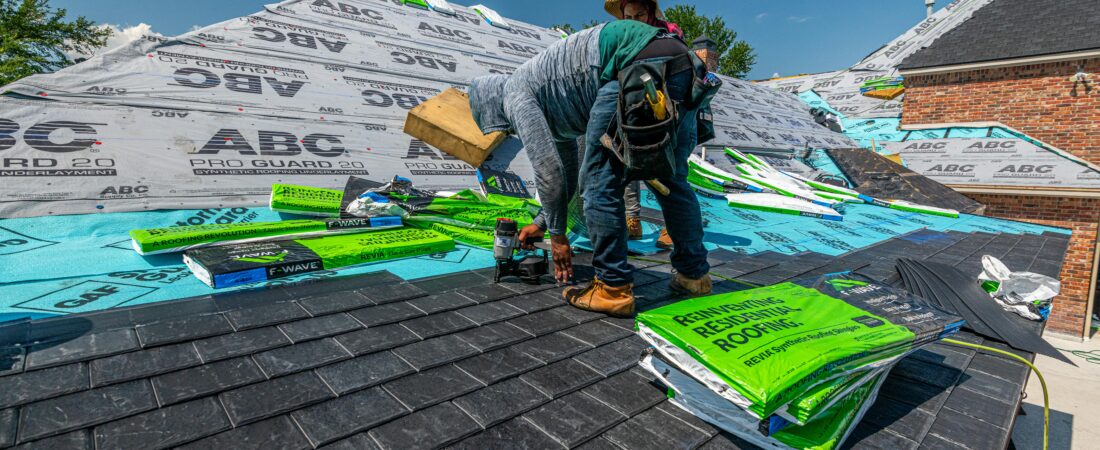
When it comes to choosing the right roofing material for your home, two primary options stand out: metal and asphalt. Each of these materials has its unique advantages and disadvantages that can significantly affect the performance and longevity of your roof. As a homeowner, understanding the differences between these materials is crucial in making an informed decision.
Metal roofing is known for its exceptional durability and longevity, often lasting 40 to 70 years, depending on the type of metal used. It is resistant to extreme weather conditions, offering protection against high winds, heavy snow, and even fire. Additionally, metal roofs reflect solar heat, which can reduce energy costs in warmer climates. On the aesthetic side, metal roofing is available in various styles and colors, making it adaptable to diverse architectural designs.
On the other hand, asphalt roofing is one of the most popular choices among homeowners due to its affordability and ease of installation. Asphalt shingles typically have a lifespan ranging from 15 to 30 years and come in an array of styles and colors. They provide adequate protection while being relatively lightweight. However, asphalt roofs may require more frequent maintenance and replacement than their metal counterparts, particularly in regions with harsh weather.
Choosing the best roofing material for your home involves evaluating several factors such as durability, aesthetics, maintenance requirements, and cost. Each of these elements plays a critical role in how well a roofing material performs over time. In this blog post, we will delve deeper into the specific advantages and disadvantages of both metal and asphalt roofing, providing you with the necessary information to make an informed decision about what is best for your home.
Advantages of Metal Roofing
Metal roofing presents numerous advantages that make it a compelling choice for homeowners. One of the primary benefits is its impressive longevity. Metal roofs can last anywhere from 40 to 70 years, significantly outpacing traditional roofing materials like asphalt shingles, which typically require replacement every 20 years. This remarkable durability means fewer replacements and less waste, contributing positively to the environment.
Another significant advantage is energy efficiency. Metal roofing reflects solar radiant heat, which can reduce cooling costs by 10% to 25% during warmer months. As a result, homeowners can enjoy lower energy bills while contributing to greener living. Additionally, some metal roofing options are designed to be energy-efficient through advanced coatings that enhance reflectivity.
Extreme weather resistance is also a standout characteristic of metal roofs. They are engineered to withstand harsh conditions, including high winds, heavy snowfall, and rain. This quality not only protects the home but may also lead to savings on insurance premiums. Many insurance companies recognize the resilience of metal roofing and offer discounts for homes equipped with this durable option.
In terms of aesthetics, metal roofs come in a wide variety of styles, colors, and finishes. Whether a homeowner prefers a sleek modern look, a traditional appearance, or something contemporary, metal roofing can adapt to virtually any architectural style. From corrugated panels to standing seam systems, the versatility of metal roofing enhances its appeal.
Regarding installation and cost, metal roofing installation can be less labor-intensive than other roofing alternatives, particularly when considering the long-term benefits. While upfront costs might be higher, the long-term savings from durability, energy efficiency, and reduced maintenance make it a smart investment. Ultimately, metal roofing offers a blend of practicality and aesthetic value that aligns well with modern homeowner needs.
Benefits of Asphalt Roofing
Asphalt roofing has gained significant popularity among homeowners due to its numerous advantages. One of the most compelling benefits of asphalt shingles is their affordability. Compared to other roofing materials, such as metal, asphalt shingles typically require a lower initial investment. This makes them an attractive option for those seeking to protect their homes without breaking the bank.
Another remarkable advantage of asphalt roofing is the ease of installation. Professional roofers can install asphalt shingles quickly, which can help to minimize labor costs. Additionally, the straightforward installation process means that repairs or replacements can also be carried out efficiently, ensuring that homeowners can enjoy a well-protected roof with minimal disruption.
Asphalt shingles come in a wide range of design options and colors, allowing homeowners to choose a style that complements their aesthetic preferences and architectural influences. This versatility extends to various forms, including three-tab, architectural, and luxury shingles, appealing to diverse tastes. Such design choices, paired with the roofing’s inherent durability, further enhance the appeal of asphalt.
The lifespan of asphalt roofs is generally between 15 to 30 years, depending on factors such as installation quality, climate, and maintenance practices. While metal roofing can last significantly longer, the lifespan of asphalt can still provide substantial value for an initial investment. In fact, asphalt roofs perform well in various climates, offering effective protection against rain, snow, and sun exposure, making them a reliable choice for many homeowners.
In terms of maintenance, asphalt roofs are relatively low-maintenance compared to other materials, requiring only periodic inspections and cleaning to prolong their lifespan. Regular maintenance helps prevent issues such as moss growth and debris buildup, ensuring that the roof remains in good condition over time.
When weighing the options, it is essential to consider not only the initial investment but also the long-term value associated with asphalt roofing. While metal may offer longer durability, asphalt’s balance of affordability, design variety, and adequate performance in various climates makes it a strong contender in the roofing market.
Making Your Decision: Factors to Consider
Deciding between metal and asphalt roofing requires a thorough evaluation of various factors. The climate in your region plays a critical role; for instance, metal roofs are known for their durability and can withstand extreme weather conditions, while asphalt shingles are often more susceptible to damage in severe weather. Additionally, consider the longevity of the materials; metal roofing typically lasts 40 years or more, while asphalt may require replacement after 20 years.
Budget is another significant factor in your decision-making process. While metal roofing can have a higher upfront cost, its long lifespan and potential energy savings over time can make it a worthwhile investment. Conversely, asphalt shingles are generally more affordable initially, but homeowners should factor in potential replacement costs in the years to come.
Another consideration is the style of your home. Metal roofs offer a sleek, modern aesthetic and come in various styles and colors that can enhance the architectural appeal of contemporary homes. Asphalt, with its versatile range of styles, can complement traditional homes and provide a vintage look. It’s essential to select a roofing material that harmonizes with your home’s overall design.
When determining your preferences, prioritize your needs versus wants. For instance, if durability and energy efficiency are paramount, you may lean towards metal. However, if you prefer a lower initial cost and a classic appearance, asphalt could be more suitable.
Consulting with roofing professionals can also provide valuable insights tailored to your specific situation. Industry experts can assess your home and recommend suitable options based on your unique requirements and local building codes.
In conclusion, when evaluating metal versus asphalt roofing, carefully weigh the pros and cons of each material. By considering climate, budget, style, and personal preferences, you can make an informed decision that best shields your home.