Introduction to Sustainable Bathrooms
In an age where environmental consciousness is paramount, the concept of a sustainable bathroom has emerged as a significant trend in modern home design. A sustainable bathroom not only prioritizes eco-friendly practices but also combines luxury with functionality. Water-saving technologies play a pivotal role in achieving sustainability without compromising on comfort.
Statistics reveal that bathrooms account for nearly 70% of a household’s water usage, predominantly through showers, baths, and toilets. Excessive water consumption poses a serious threat to our natural resources and can contribute significantly to environmental degradation. The implementation of water-efficient fixtures such as low-flow showerheads and dual-flush toilets can dramatically reduce water usage. For instance, low-flow showerheads can save a household more than 2,300 gallons of water annually, while dual-flush toilets can reduce water consumption by providing users with the option of a light or heavy flush, effectively conserving water.
Beyond the statistical impact, the environmental footprint of excessive water use is profound. As populations grow and water scarcity becomes more pressing, integrating sustainable technologies in bathrooms is not just a luxury but a necessity. Furthermore, these technologies do not sacrifice the essence of luxury baths; they enhance the user experience by providing high-performance options that are both aesthetically pleasing and environmentally responsible.
Smart leak detectors are another innovative addition to the sustainable bathroom landscape. These devices alert homeowners to leaks and drips, preventing water waste and potential damage. By adopting water-saving technologies and design principles, homeowners can create indulgent spaces that reflect personal style while actively contributing to sustainability.
Innovative Water-Saving Technologies
As the global awareness around water conservation continues to grow, many households are turning to innovative water-saving technologies that strike a balance between sustainability and luxury in the bathroom. One prominent solution includes the adoption of low-flow showerheads, which are designed to significantly reduce water usage while maintaining a satisfying shower experience. These showerheads typically use less than 2.5 gallons per minute, compared to standard models that may use up to 5 gallons. This reduction can lead to substantial water and energy savings over time.
Additionally, low-flow toilets are becoming increasingly popular in eco-conscious bathrooms. These dual-flush toilets offer users the choice between a half flush for liquid waste and a full flush for solid waste. By providing this dual-flush option, households can save approximately 25% more water compared to traditional toilets, which can use between 3.5 to 7 gallons per flush. This advancement not only supports water conservation but also aligns with modern design aesthetics, offering an array of styles to complement any bathroom décor.
In conjunction with these fundamental technologies, newer advancements such as smart leak detectors enhance water-saving practices. These devices monitor plumbing systems and alert homeowners to leaks or irregular water use, enabling prompt repairs that prevent water waste. By integrating these smart solutions into bathroom fixtures, homeowners can both preserve luxury and embrace a sustainable lifestyle. In this way, water-saving technologies contribute to an eco-friendly environment while providing the comfort and performance that modern consumers expect from their bathroom experiences.
Balancing Luxury and Sustainability
In the modern quest for beautiful and functional bathrooms, homeowners are increasingly seeking solutions that merge luxury design with sustainability. The adoption of water-saving technologies such as low-flow showerheads, dual-flush toilets, and smart leak detectors is an essential first step. However, achieving a balance between opulence and eco-friendliness requires attentive material selection and sophisticated aesthetics.
Thoughtful choices in materials can significantly elevate the luxurious appeal of a bathroom while simultaneously being environmentally conscious. Designers are now incorporating sustainable materials like bamboo, reclaimed wood, and recycled tiles, which provide both elegance and reduced environmental impact. High-end brands such as Kohler and Delta have embraced this trend by producing fixtures crafted from sustainable materials without compromising on style or finish. Their products not only include efficient fixtures like low-flow showerheads and dual-flush toilets, but also showcase exquisite design that enhances the ambiance.
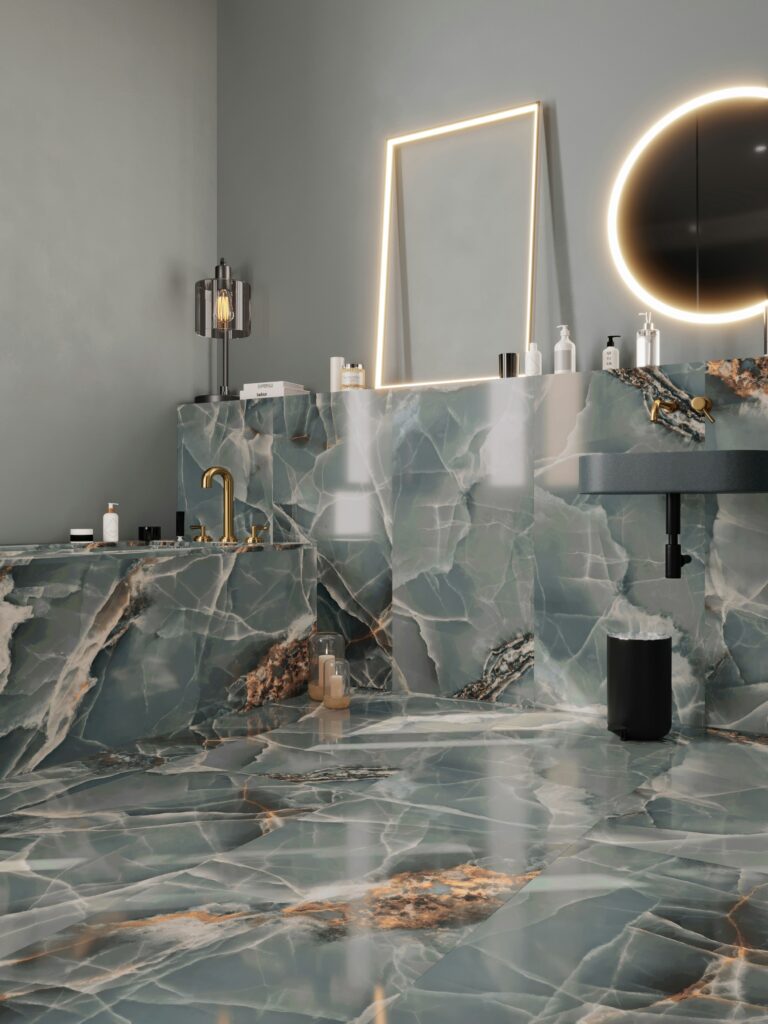
The color palette and surface finishes also play a crucial role in achieving a luxurious yet sustainable look. Neutral tones, natural textures, and matte finishes can harmonize beautifully, creating a spa-like environment that is tranquil and inviting. Moreover, integrating smart technologies that help monitor water usage adds sophistication to any bathroom without the need for excessive visuals that may detract from the overall luxury feel.
As more brands focus on sustainability, it is becoming easier for homeowners to access stylish options that adhere to eco-conscious principles. The emergence of smart leak detectors not only saves water but also preserves the aesthetics of high-end bathroom designs. When luxury is combined with mindful practices, it demonstrates that one can enjoy lavish comforts while remaining committed to environmental stewardship.
Practical Tips for Creating a Sustainable Bathroom
Creating a sustainable bathroom is an achievable goal that can enhance both environmental responsibility and luxury. One of the most effective ways to start is by replacing traditional fixtures with water-efficient options. Consider installing low-flow showerheads that reduce water consumption without sacrificing water pressure, ensuring a comfortable and refreshing shower experience. Similarly, dual-flush toilets provide the option for lower water usage when flushing liquid waste, further optimizing water conservation in your home.
Beyond fixture replacements, incorporating greywater collection systems can significantly contribute to water savings. Greywater systems can divert water from sinks or showers for use in flushing toilets or irrigating gardens, allowing you to reuse water that would typically go down the drain. Additionally, installing smart leak detectors can help you identify leaks or excessive usage early, preventing potential damage and unnecessary water waste.
Furthermore, selecting materials that are water-efficient and sustainably sourced will enhance the bathroom’s aesthetic while promoting eco-friendliness. Bamboo towels or organic cotton bath mats, for example, offer luxurious alternatives to conventional fabrics. It is also beneficial to choose low-VOC (volatile organic compounds) paints and natural wood finishes which aid in maintaining healthy indoor air quality.
As you embark on this sustainable journey, remember to keep a mindset focused on long-term sustainability and luxury balance. Each decision from fixture selection to organizational choices can contribute to a sophisticated yet eco-conscious environment. Investing in these sustainable solutions not only reduces your ecological footprint but is also a step towards a more comfortable and elegant bathroom experience. By implementing these practical tips, you can create a bathroom that aligns with both your eco-friendly values and your desire for luxury.