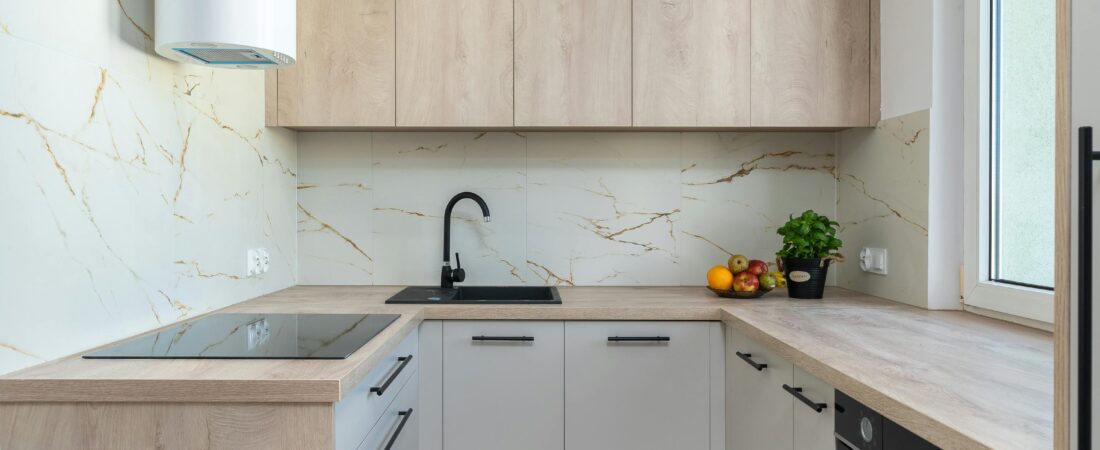
Understanding the Challenges of Small Kitchen Spaces
The kitchen is often considered the heart of the home, serving as a central space for meal preparation, dining, and social interactions. However, homeowners with small kitchen spaces frequently encounter a myriad of challenges that can hinder both functionality and organization. One of the most pressing issues is limited counter space, which restricts the ability to work efficiently while preparing meals. Inadequate surfaces for chopping, mixing, and other culinary tasks can lead to increased frustration and a chaotic cooking experience.
Another significant challenge faced in smaller kitchens is the lack of adequate cabinetry. Insufficient storage options can quickly result in clutter, forcing homeowners to stow away kitchen essentials in less-than-ideal locations. The absence of well-placed cabinets makes it difficult to access items when needed, thereby impacting cooking efficiency and overall kitchen organization. As a result, vital tools and ingredients may end up buried beneath other items, leading to disorganization and the potential for wasted time during meal preparation.
Moreover, the layout of a small kitchen can contribute substantially to its inefficiency. Many small kitchens are designed in such a way that workflow is disrupted, complicating the movement between essential tasks. A poorly planned layout can mean that the refrigerator, stove, and sink are positioned too far apart, requiring unnecessary steps that detract from the cooking process. To overcome these challenges, it is imperative to rethink the kitchen’s design and implement creative storage solutions, allowing for a more functional environment.
Creative Storage Solutions for Maximizing Space
In small kitchens, making the most out of limited space is essential. One effective strategy involves incorporating vertical storage solutions. By utilizing every inch of wall space, you can install shelves that not only keep essentials within reach but also display decorative items, thus enhancing the kitchen’s aesthetic. For example, adjustable shelving allows homeowners to customize their storage according to their changing needs, enabling a more dynamic use of space.
Another innovative approach is to invest in multifunctional furniture. Items such as a kitchen island that doubles as a dining table or an ottoman that provides concealed storage can significantly contribute to a cohesive and organized environment. This way, you not only enhance functionality but also promote a seamless flow within the small kitchen layout.
Organization beneath the sink often gets neglected, which is another area we can optimize. Using stackable bins or pull-out drawers can keep cleaning supplies, pots, and pans neatly arranged and easily accessible. Clear containers can also streamline the look, making it simpler to find what you need without a tedious search.
Lastly, wall-mounted shelves and hooks can revolutionize your kitchen’s usability. By hanging pots, pans, and utensils on hooks rather than cramming them into drawers, you can free up valuable countertop and cabinet space. Additionally, these open storage solutions allow for personalized organization, where you can creatively arrange items to suit both functional and visual preferences.
By employing these creative storage solutions, small kitchens can transform from cramped and cluttered to organized and inviting, showcasing that even limited spaces hold significant potential for effective design and functionality.
Incorporating Smart Technology for Enhanced Organization
In the modern kitchen, the integration of smart technology plays a crucial role in enhancing organization and efficiency. The advent of smart appliances has transformed the way we approach meal preparation and storage, making them indispensable tools for maximizing the functionality of smaller kitchens. For instance, smart refrigerators equipped with inventory management systems can alert users to items that are running low or nearing expiration, promoting better food waste management and grocery shopping efficiency.
Furthermore, smart kitchen gadgets, such as connected scales and measuring cups, enable precise ingredient measurement, ensuring culinary accuracy while saving time during cooking. These devices often sync with recipe apps, allowing users to access step-by-step instructions directly, thereby streamlining the cooking process. This integration enhances not only organization but also facilitates a smoother cooking experience overall.
In addition to smart appliances, a range of applications designed for grocery management can significantly improve kitchen organization. Apps that track pantry inventory, suggest recipes based on available ingredients, and create shopping lists help streamline the meal planning process. This technological approach allows for the optimization of grocery purchases, reducing unnecessary items and ensuring that what is bought is utilized effectively. Moreover, the convenience of digital recipe storage means that users can access their favorite recipes anywhere, eliminating the need for physical cookbooks that often occupy valuable counter space.
Ultimately, incorporating smart technology into kitchen organization strategies leads to increased efficiency. Not only does it simplify meal planning and preparation, but it also fosters a more organized kitchen environment. By utilizing these technological advancements, homeowners can unlock their kitchen’s full potential, transforming small spaces into functional hubs of culinary creativity.
Design Tips for a Visually Appealing Small Kitchen
Creating a visually appealing small kitchen can be a rewarding endeavor, allowing for both functionality and aesthetics to flourish in a limited space. One of the foundational design principles to consider is the color palette. Utilizing light colors, such as soft whites, pastels, or light grays, can significantly enhance the perception of space. Reflective surfaces, like glossy cabinets or countertops, can also amplify natural light, making the room feel larger and more open.
Lighting plays a vital role in the overall feel of the kitchen. A well-lit kitchen not only improves functionality but also creates a warm and inviting atmosphere. Consider implementing layered lighting, which combines ambient, task, and accent lighting. Pendant lights over a breakfast bar or under-cabinet lights can add both style and practicality, illuminating work surfaces while enhancing the visual appeal of the space.
Maintaining a clutter-free environment is crucial in maximizing the potential of a small kitchen. When working with limited square footage, it is advisable to establish designated zones for meal preparation, cooking, and dining. Utilizing clever storage solutions, such as magnetic strips for knives or pull-out shelves, allows for items to be easily accessed without overcrowding counters. Keeping countertops tidy and organized promotes a more open feel, encouraging a sense of calm.
Furthermore, incorporating mirrors into the design can create an illusion of depth and space. A mirrored backsplash or cabinet doors will not only add visual interest but also reflect light, contributing to the overall brightness of the kitchen. By thoughtfully applying these design principles, homeowners can transform their small kitchens into beautiful and functional spaces that showcase their potential.