
Understanding the AI Kitchen Revolution
The AI-powered kitchen represents a significant evolution in how we approach cooking and kitchen management. By integrating artificial intelligence into everyday appliances and cooking processes, the traditional kitchen is being transformed into a smart culinary environment. This shift leverages advancements in machine learning, voice recognition, and automation technologies, creating a seamless interaction between humans and machines.
One of the most notable changes is the incorporation of machine learning algorithms that adapt to individual cooking styles and preferences. This capability allows kitchen appliances to learn from past behaviors, improving efficiency in meal preparation. For example, smart ovens can now adjust cooking times and temperatures based on the specific dish being prepared, ensuring optimal results with minimal human intervention.
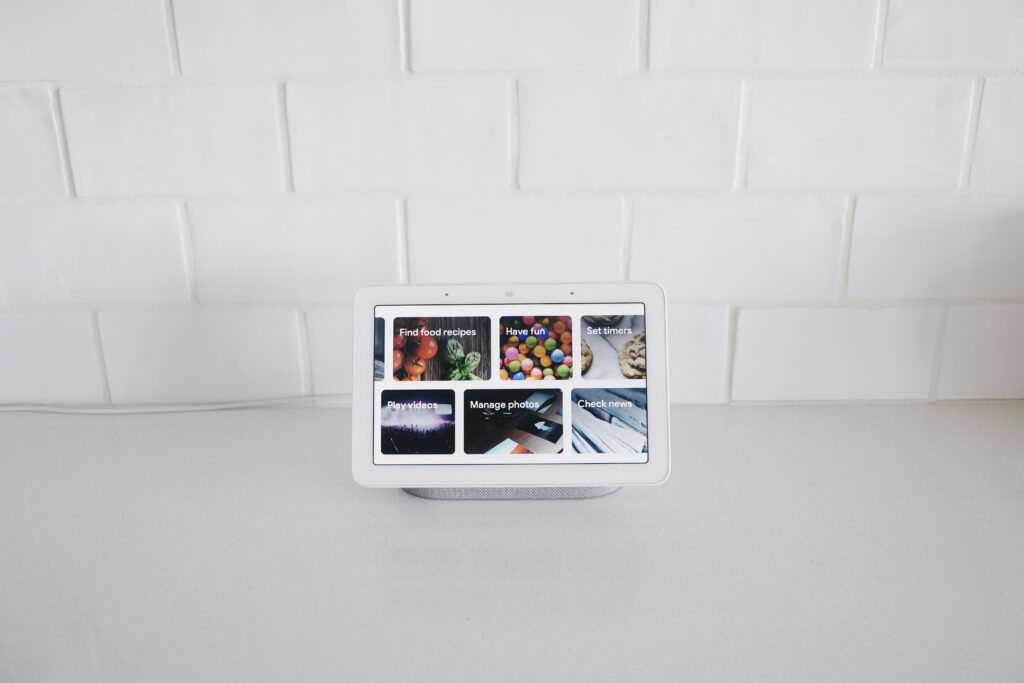
Voice recognition has also become a pivotal element in the AI kitchen revolution. With voice-activated devices, users can manage kitchen tasks hands-free, making cooking and preparation more convenient. Not only can individuals set timers or check recipes without touching their devices, but they can also ask for real-time assistance, such as ingredient substitutions or cooking tips, enhancing the overall cooking experience.
Automation plays a crucial role as well, with smart kitchen devices capable of synchronizing with one another. For instance, a smart refrigerator can notify the oven of the ingredients available and suggest recipes accordingly. This automated communication between appliances leads to a more streamlined cooking process, which ultimately saves both time and energy.
In addition to enhanced efficiency, AI kitchens provide personalized experiences tailored to individual tastes and dietary needs. For those with specific health considerations or culinary preferences, AI can recommend recipes that align with personal goals, thereby transforming meal preparation into a more bespoke and enjoyable activity.
Essential Smart Appliances for 2026
The integration of artificial intelligence into the kitchen is set to transform how we cook and interact with our culinary spaces. In 2026, several smart appliances will emerge as essential tools for any modern kitchen, enhancing convenience, efficiency, and overall cooking experience.
One of the most notable advancements is the intelligent refrigerator. These smart fridges not only keep food fresh but also track inventory, monitor expiration dates, and suggest recipes based on available ingredients. Imagine opening your fridge to find a display that recommends a meal using the ingredients you have on hand, minimizing food waste and making meal planning a breeze. Additionally, some models feature built-in cameras that allow users to view contents remotely, further promoting efficient grocery shopping.
Another indispensable appliance is the smart oven. Equipped with advanced sensors and machine learning algorithms, these ovens can automatically adjust cooking parameters such as temperature and time based on the specific recipe being prepared. Users can simply select the dish they intend to make, and the oven takes care of the rest. This technology not only ensures perfectly cooked meals but also adds a layer of safety by preventing overcooking.
Moreover, smart cooktops are gaining traction, with models that allow precise temperature control and can even detect the type of cookware being used. This function guarantees optimal cooking conditions tailored to each recipe. For those who love baking, AI-enabled mixers will also emerge, adjusting their speed and mixing times depending on the mixture’s viscosity and texture requirements.
Ultimately, the smart appliances of 2026 are designed to work cohesively within an AI-powered kitchen ecosystem. The seamless integration of these devices not only elevates the culinary experience but also fosters sustainability by encouraging better food management practices. Embracing these innovations will be key to maintaining a modern, efficient kitchen for years to come.
AI-Driven Meal Planning and Nutrition Tracking
In recent years, artificial intelligence (AI) has revolutionized various aspects of daily life, including the realm of meal planning and nutrition tracking. AI-powered applications analyze individual dietary preferences, nutritional requirements, and available ingredients to create customized meal plans. This capability not only saves time but also promotes a healthier lifestyle by encouraging well-balanced meals tailored to each user’s unique needs.
There are numerous AI-driven meal planning tools available, which utilize vast databases of recipes and nutritional information to offer suggestions catering to specific dietary restrictions or preferences such as veganism, gluten intolerance, or low-carb diets. These tools employ algorithms that recognize patterns in user behavior and preferences, allowing them to continually improve and adapt meal suggestions based on past choices. As a result, users are more likely to explore new recipes and ingredients while adhering to their dietary goals.
Moreover, AI technology can significantly enhance nutrition tracking by monitoring calorie intake and nutritional value with remarkable accuracy. Mobile apps equipped with AI can scan barcodes or analyze food images, making it easier for users to log their meals effortlessly. This seamless integration of technology encourages users to engage more actively in their nutrition management. AI can also suggest healthier alternatives by comparing food items while considering individual goals, such as weight loss or muscle gain.
Overall, the incorporation of AI into meal planning and nutrition tracking represents a significant leap towards healthier living. By harnessing smart technology, individuals can more effectively manage their diets and make informed decisions about their food choices, ultimately paving the way for a more health-conscious lifestyle.
The Future of Cooking: Integrating AI with Smart Home Technology
The integration of Artificial Intelligence (AI) with smart home technology is poised to revolutionize the culinary experience in kitchens across the globe. As we look ahead to 2026 and beyond, advancements in AI will play a critical role in enhancing both the efficiency and safety of cooking practices. By leveraging smart home devices equipped with AI capabilities, homeowners will soon enjoy a comprehensive, interactive approach to meal preparation.
One of the most significant benefits of integrating AI into kitchen environments is the ability to streamline cooking processes. Imagine a kitchen equipped with intelligent appliances that communicate seamlessly with one another. For example, a smart oven could sync with a refrigerator to independently adjust cooking times and temperatures based on the specifics of various ingredients. Such integration not only saves time but also elevates the overall culinary outcome by optimizing cooking conditions.
Moreover, safety remains a paramount concern in kitchen environments. With AI technology, remote monitoring and control features will enhance kitchen safety, allowing homeowners to receive alerts about potential hazards, such as unattended cooking or gas leaks. Implementing sensors that relay information to mobile applications ensures that users can manage their kitchens from anywhere, providing peace of mind whether they are at home or away.
Looking forward, the future might also include sustainability-focused innovations. AI systems could analyze consumption patterns, suggesting optimal meal planning while minimizing food waste. Incorporating smart inventory management into kitchen routines will allow users to better understand their resources and make more environmentally conscious decisions.
As we embrace the era of AI-powered kitchens, it will be essential for homeowners to stay informed about emerging smart technologies. Researching the latest devices and keeping abreast of industry trends will prepare individuals for a fully integrated culinary experience. Ultimately, the future of cooking promises to maximize both functionality and sustainability through advanced AI technology, creating a more efficient and enjoyable environment for aspiring chefs and home cooks alike.