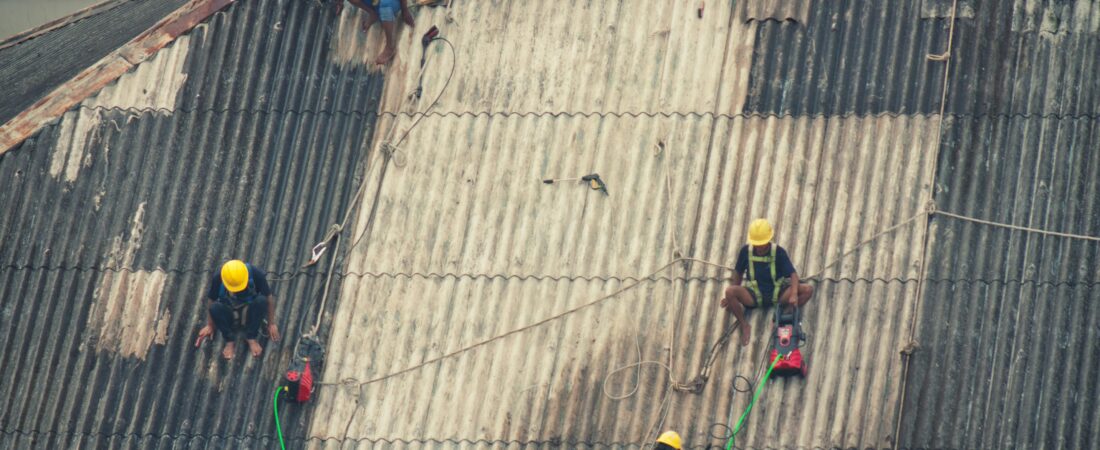
Understanding the Importance of Roof Maintenance
Regular roof maintenance is essential for ensuring the longevity and functionality of your roofing system. A well-maintained roof not only protects the structural integrity of your home but also contributes to its overall energy efficiency and market value. Neglecting roof upkeep can lead to significant damage over time, including leaks, rotting, and even structural failure, all of which can require costly repairs.
Leaks are one of the most common issues that arise from insufficient roof maintenance. When left unaddressed, small leaks can lead to extensive water damage within the home, including damage to insulation, walls, and electrical systems. This type of damage often results in costly repairs and may even require complete roof replacement—a stark contrast to the manageable costs associated with regular maintenance.
Furthermore, a compromised roof can lead to increased energy consumption. A roof that is not properly maintained may develop gaps or cracks, allowing conditioned air to escape and outside air to enter. This inefficiency not only impacts your comfort levels but also significantly raises energy bills, highlighting another reason why roof maintenance should not be overlooked.
In addition to practical benefits, a well-kept roof enhances a property’s curb appeal, positively influencing its market value. Prospective buyers are more inclined to invest in homes that show signs of upkeep, including the roof. Investing in routine maintenance can yield a considerable return on investment by ensuring your roof remains in optimal condition.
In conclusion, prioritizing roof maintenance is essential for preventing extensive damage, improving energy efficiency, and preserving the value of your home. With proper care, your roof can continue to protect you and your family for many years to come.
Essential Spring Roofing Inspections
As the winter months fade, spring offers the perfect opportunity to conduct essential roofing inspections that can extend the life of your roof. One of the first tasks is to check for missing or damaged shingles. Inspect the entire roof surface for any signs of wear. Look for cracked, curled, or completely missing shingles, as even small issues can lead to significant water damage if left unattended. It is advisable to conduct this inspection from the ground using binoculars or by safely accessing your roof with a sturdy ladder.
Another critical aspect of spring roofing inspections involves assessing the condition of gutters and downspouts. Over the winter, debris such as leaves, twigs, and even ice can accumulate in these areas, hindering proper drainage. Clogged gutters can lead to water pooling on your roof, increasing the risk of leaks and structural damage. Clean the gutters thoroughly, ensuring that water flows freely away from your roof and foundation. Additionally, examine downspouts for blockages and make sure they direct water far enough away from your home.
Flashing is another component that often requires inspection. This thin material is designed to prevent water leaks around roof features such as chimneys, vents, and skylights. During your inspection, check for any gaps, corrosion, or loose flashing. Properly secured flashing is vital for ensuring a watertight seal. If any damage is detected, it is prudent to either repair the flashing or consult with a professional roofer to ensure the job is completed correctly.
By systematically carrying out these essential spring roofing inspections, homeowners can identify potential problems early. This proactive approach not only enhances the roof’s longevity but also prevents more significant expenses in the future.
Common Spring Roofing Issues and Solutions
As winter thaws into spring, various roofing issues often emerge due to the transition in weather conditions. Two common problems include leaks caused by the melting snow and the formation of ice dams. These issues can compromise the integrity of your roof if not addressed promptly.
Leaks typically occur when melting snow accumulates and seeps through damaged or missing shingles. If you notice water stains on your ceiling or walls, it is essential to inspect your roof for potential leaks. A straightforward DIY solution may include using roofing sealant to cover small cracks or gaps in the shingles. However, for significant damage, such as shingles that have completely come off or large structural damage, it is advisable to consult a professional roofer to effectively resolve the issue.
Ice dams are another common concern in spring, forming when melting snow collects at the edge of the roof and refreezes, causing water to pool and potentially leak into the home. One effective method to prevent ice dams is ensuring proper insulation and ventilation in your attic. By maintaining a consistent temperature, you can help prevent the conditions conducive to ice buildup. If you discover an ice dam has formed, using a roof rake to gently pull the snow off the roof can provide immediate relief, but extreme caution is advised to prevent injury or damage.
After identifying these common issues, it is crucial to implement preventative measures. Regularly clearing snow and debris from your roof, along with routine inspections for wear and tear, will significantly extend your roof’s lifespan. Taking proactive steps, like ensuring your gutters are clear and functioning, can also minimize the risk of spring roofing problems. When in doubt, do not hesitate to seek professional assistance to maintain the integrity and safety of your roofing system.
Long-Term Maintenance Strategies for Roof Longevity
To ensure that your roofing system remains intact for as long as possible, it is crucial to adopt long-term maintenance strategies. Regular cleaning is one of the most effective ways to extend the life of your roof. Accumulated debris such as leaves, branches, and moss can trap moisture and lead to significant damage over time. Therefore, making it a practice to clear gutters and roof surfaces at least twice a year can prevent excessive wear and tear.
In addition to cleaning, routine inspections should be conducted to identify and address any potential issues early on. These inspections should be performed both biannually and following any severe weather events. Look for signs of wear, such as missing or damaged shingles, cracks, and rust on any metal flashing. Addressing these issues promptly can prevent more extensive damage that may require costly repairs.
Another critical factor in roof longevity is ensuring proper ventilation. Inadequate ventilation can lead to heat and moisture buildup in your attic, resulting in damage to insulation and roofing materials. Ensuring your roof has sufficient vents can enhance airflow and reduce the risk of these problems, ultimately extending the lifespan of your roofing system.
While many homeowners may feel equipped to perform basic roof maintenance, professional inspections are invaluable for comprehensive evaluations. Schedule these inspections every three to five years, as professionals can provide insights into potential issues that are not always visible from the ground.
Finally, knowing when and how to replace roofing materials is essential for maintaining durability. Regularly assess the condition of your roof, and when signs of severe damage are evident, seek professional guidance to select materials that suit your climate and roofing structure. Adhering to these strategies can significantly enhance your roof’s longevity, safeguarding your home for years to come.