Introduction to Energy-Efficient Roofing
Energy-efficient roofing has emerged as a crucial consideration in contemporary construction and renovation practices. As global energy demands rise, the quest for sustainable and eco-friendly building materials has intensified. Energy-efficient roofing plays a vital role in not only reducing energy consumption but also enhancing the overall thermal performance of buildings. By effectively managing heat gain and loss, these roofing systems contribute significantly to lower energy bills and a reduced carbon footprint.
When homeowners and builders select roofing materials, it is imperative to understand the broader implications of their choices. Conventional roofing systems can lead to excessive energy usage, resulting in higher costs and increased greenhouse gas emissions. Conversely, energy-efficient roofing solutions, such as reflective materials, cool roofs, or green roofs, work to minimize the impact of heat on buildings. By reflecting more sunlight and absorbing less heat, these roofs help maintain comfortable indoor temperatures, subsequently reducing reliance on heating and cooling systems.
In 2026, the relevance of energy-efficient roofing is amplified by the growing emphasis on sustainable development and regulations aimed at combatting climate change. Governments and organizations worldwide are setting stricter energy efficiency standards, making it essential for both new constructions and retrofitting projects to incorporate energy-efficient roofing options. This shift not only aligns with environmental goals but can also enhance property values and extend the lifespan of roofing materials.
The adoption of energy-efficient roofing is, therefore, an informed choice, reflecting a commitment to sustainability and economic prudence. As we delve deeper into specific energy-efficient roofing technologies and their benefits throughout this guide, it will become evident that investing in such solutions is a step towards fostering a more sustainable future, benefiting both individuals and the planet.
Understanding Energy Efficiency in Roofing
Energy efficiency in roofing refers to the ability of a roof to minimize energy consumption while maximizing comfort within the built environment. This concept encompasses various aspects such as the choice of materials, insulation practices, and overall roof design. By selecting energy-efficient roofing options, homeowners and builders can contribute to both environmental sustainability and cost savings over time.
Roofing materials play a crucial role in energy efficiency. Options like cool roofs, which are designed to reflect more sunlight and absorb less heat, can significantly reduce cooling costs in hot climates. Materials such as reflective shingles or tiles help limit the amount of heat that penetrates the building, thus decreasing reliance on air conditioning systems. Alternatively, green roofs, characterized by vegetative layers, can provide natural insulation and reduce runoff while improving air quality.
Insulation is another critical component of energy-efficient roofing. Proper insulation helps to maintain desired indoor temperatures by preventing heat loss during colder months and reducing heat gain in warmer periods. The efficacy of insulation is often measured using the R-value, a metric that indicates the material’s resistance to heat flow. Higher R-values signify better insulating properties, making the choice of insulation materials vital for energy conservation.
Furthermore, roof design is an essential factor in optimizing energy use. Factors such as the roof’s slope, orientation, and overhangs can influence solar exposure and ventilation, thereby affecting the energy dynamics of a building. For example, a strategically designed overhang can provide shade and decrease heat gain, enhancing indoor comfort without excessive energy expenditure.
In conclusion, understanding energy efficiency in roofing is imperative for those looking to reduce energy costs and promote sustainability. By investing in suitable materials, ensuring proper insulation, and considering effective roof designs, homeowners can significantly impact both their finances and the environment.
Types of Energy-Efficient Roofing Materials
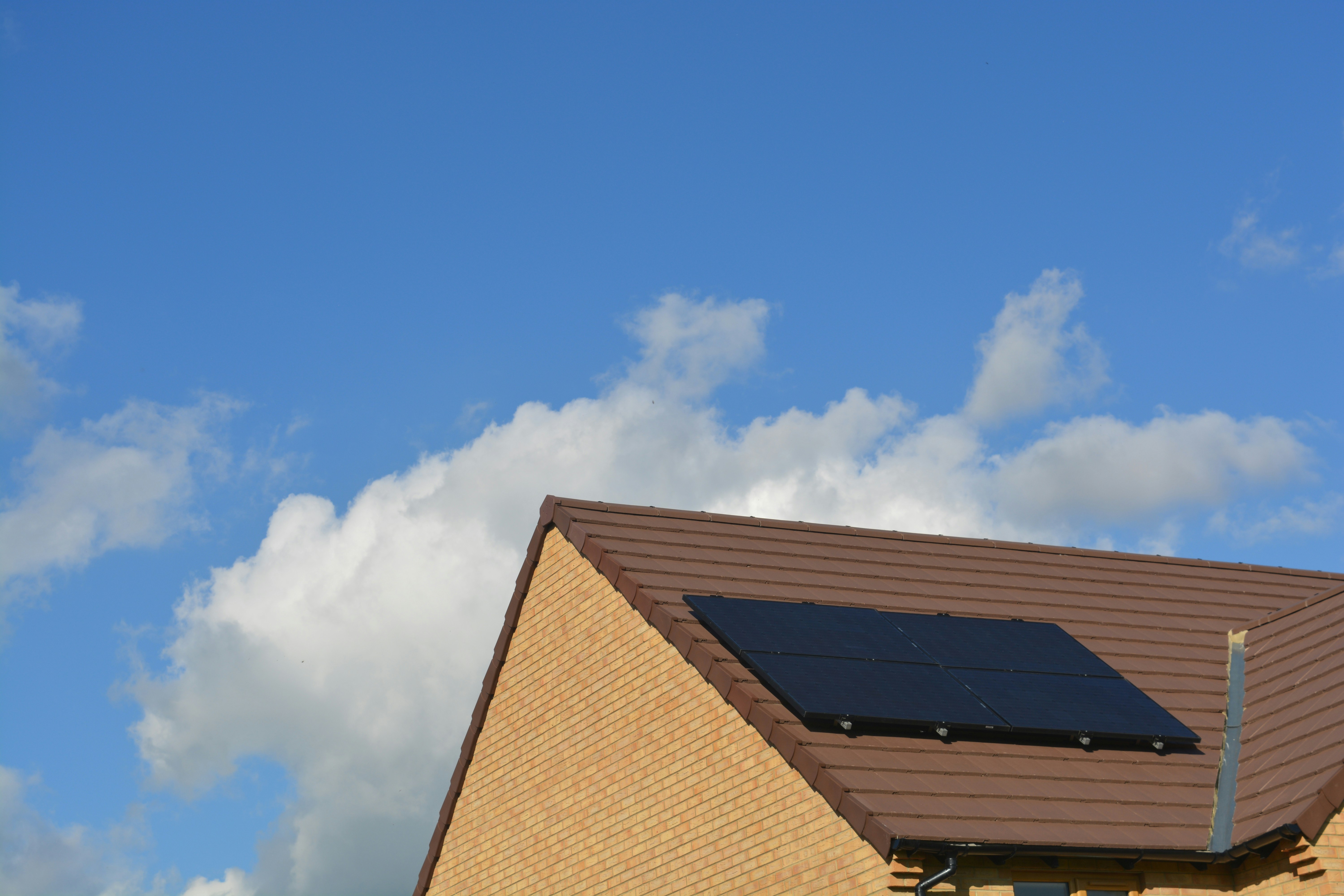
When considering energy-efficient roofing options, it is important to explore a diverse range of materials, each offering unique benefits in terms of insulation, reflectivity, and environmental sustainability. Among the most traditional materials are metal and tile roofing. Metal roofs, often constructed from aluminum or steel, provide exceptional energy efficiency through their high reflectivity, reducing heat absorption during hot months. Similarly, tile roofs, particularly those made from clay or concrete, offer natural insulating properties that help maintain comfortable indoor temperatures.
In recent years, advancements in technology have introduced innovative products known as cool roofing materials. These roofs are designed with highly reflective surfaces that can significantly lower roof temperatures by reflecting more sunlight. This not only contributes to energy savings but also enhances the longevity of the roofing system by minimizing heat-related wear and tear. Cool roofing is particularly effective in urban areas, where the heat island effect can worsen energy demands for cooling.
Furthermore, eco-friendly options are gaining traction among environmentally conscious homeowners. Recycled shingles made from old asphalt shingles or rubber can provide substantial energy efficiency while reducing waste in landfills. Green roofs, another sustainable alternative, consist of plant layers and growing mediums on roofing membranes. They offer natural insulation and improve air quality while also providing aesthetic appeal. By opting for these environmentally friendly materials, homeowners can significantly reduce their carbon footprint.
In summary, the choice of energy-efficient roofing materials, whether traditional like metal and tile or newer innovations such as cool roofing and green roofs, can play a critical role in enhancing energy conservation, reducing costs, and contributing positively to the environment.
Benefits of Energy-Efficient Roofing
Investing in energy-efficient roofing provides numerous advantages that extend beyond mere aesthetic appeal. One of the most significant benefits is the reduction in energy bills. Roofs that reflect solar radiation, such as those made of reflective materials, can decrease the amount of heat absorbed by a building. This typically results in less reliance on air conditioning during warmer months, leading to substantial savings on energy costs.
Additionally, energy-efficient roofing can enhance the overall property value. Homebuyers are increasingly seeking energy-efficient features when considering a purchase. Therefore, properties equipped with high-performance roofs are often viewed more favorably in the real estate market, leading to a competitive edge and potentially higher resale prices.
Another noteworthy benefit is the positive impact on the environment. Traditional roofing materials often contribute to heat absorption, which can exacerbate urban heat islands and increase overall energy consumption. Energy-efficient roofs, on the other hand, mitigate these effects by reflecting sunlight and lowering surrounding temperatures. This not only conserves energy but also reduces greenhouse gas emissions associated with energy production.
Furthermore, homeowners may find financial incentives to invest in energy-efficient roofing. Various local and federal programs offer tax credits or rebates to encourage the adoption of sustainable building practices. By taking advantage of these financial benefits, homeowners can offset their initial investment and further enhance the affordability of their energy-efficient roofing projects.
In summary, the investment in energy-efficient roofing presents a myriad of benefits ranging from financial savings and property enhancement to environmental protection and worthwhile incentives. By prioritizing energy efficiency in roofing decisions, homeowners can contribute to a more sustainable future while also enjoying immediate and long-term rewards.
Evaluating the Energy Efficiency of Your Current Roof
In order to understand the energy efficiency of your current roof, it is essential to conduct a thorough assessment. Homeowners should start by examining their roof for visible signs of inefficiency. Common indicators include curling or missing shingles, discoloration, and excessive wear or granule loss. These physical signs can significantly affect the roof’s ability to reflect heat and insulate the home, leading to increased energy costs.
Another valuable step is to review your energy bills over time. If there is a noticeable increase in heating or cooling costs, it may suggest that your roof is not performing as it should. Furthermore, consider the insulation in your attic, as poor insulation can be a primary contributor to energy loss. Insulation should be inspected for thickness and quality, as inadequate insulation could limit the effectiveness of your roofing system.
To gain a more professional perspective on your roof’s efficiency, you may opt to schedule an energy audit. Many local governments and utility companies offer free or low-cost energy audits, which can pinpoint specific areas where heat loss occurs. These audits typically use infrared cameras to identify thermal leaks, and they provide you with a detailed assessment of how your roofing system impacts energy consumption.
Finally, if your roof consistently exhibits poor performance after following these evaluation steps, it may be time to consider an upgrade. Newer roofing materials designed specifically for energy efficiency can significantly lower your home’s energy consumption. Roofs made from reflective materials or those with additional insulation options can enhance your home’s overall energy profile, leading to reduced costs and a smaller environmental footprint.
Cost Considerations for Energy-Efficient Roofing
When evaluating the financial implications of upgrading to energy-efficient roofing, it is essential to consider both the initial investment and the potential long-term savings. Although the upfront costs associated with energy-efficient roofing materials may be higher than those of conventional roofing options, the advantages can significantly outweigh these expenditures over time.
Energy-efficient roofing systems offer a variety of materials, such as metal, reflective shingles, and sustainable options like green roofs. While the initial purchase price ranges widely depending on the selected material, it can be beneficial to view this as a long-term investment. Over its lifespan, energy-efficient roofing has the potential to reduce energy costs significantly by minimizing heating and cooling demands in the household.
Calculating return on investment (ROI) should be a key factor in the decision-making process. Homeowners can expect to recapture a portion of their roofing installation costs through reduced energy bills. Furthermore, in some instances, local and federal incentives—such as tax credits or rebates—may provide additional financial relief, enhancing the overall affordability of energy-efficient options. Homeowners should thoroughly research available incentives in their area to maximize potential benefits.
Financing options are also available to assist homeowners in managing the initial costs of installation. Various lenders offer green financing programs, which are designed to help individuals make energy-efficient home improvements. These loans generally offer favorable terms, such as lower interest rates, making energy-efficient roofing more accessible to a wider audience.
In consideration of overall expense and long-term benefits, opting for energy-efficient roofing turns out to support not only individual households regarding utility savings but also contributes positively to environmental sustainability. Making an informed decision can align fiscal responsibility with a commitment to energy efficiency.
Selecting the Right Contractor for Roofing Projects
Choosing a qualified contractor for your energy-efficient roofing project is essential for achieving both cost savings and environmental benefits. Homeowners should prioritize contractors who possess relevant qualifications and certifications that demonstrate their expertise in energy-efficient roofing solutions. Look for contractors who are certified by organizations such as the North American Board of Certified Energy Practitioners (NABCEP) or the Cool Roof Rating Council (CRRC). These certifications not only indicate a certain level of professionalism but also ensure that the contractor is knowledgeable about the latest energy-efficient technologies and practices.
In addition to checking qualifications, it is crucial to seek out reviews and recommendations from previous clients. Websites such as Angie’s List, Yelp, or even Google Reviews can provide insights into the contractor’s reliability and the quality of their work. Furthermore, personal recommendations from friends, family, or colleagues who have undergone similar projects can be particularly valuable. When you have a list of potential contractors, establish communication to gauge their responsiveness and willingness to answer your questions.
Moreover, obtaining accurate estimates for your roofing project is vital in making an informed decision. Be wary of estimates that appear significantly lower than others as they may indicate the use of subpar materials or cutting corners on labor. It is advisable to collect multiple estimates and compare them carefully. Pay attention to the specifics outlined in each proposal, such as the types of materials being used and the scope of work. This will enable you to make a well-rounded decision based on both cost and quality considerations.
Future Trends in Energy-Efficient Roofing
As we look towards 2026 and beyond, the landscape of energy-efficient roofing is set to evolve significantly. One of the most notable trends is the integration of solar technology into roofing materials. Solar shingles and integrated solar roof systems are becoming increasingly popular as they provide a dual function of protecting homes while simultaneously generating energy. These advancements not only enhance the aesthetic appeal of residential properties but also contribute to reducing overall energy costs.
Another emerging trend involves the use of innovative roofing materials designed to improve thermal performance and reduce heat absorption. Reflective and cool roofing materials are gaining traction, especially in warmer climates where energy consumption for cooling can be markedly reduced. These materials minimize the solar heat gain, thereby lowering the reliance on air conditioning systems. Furthermore, advancements in insulation technologies are contributing to more energy-efficient roofing systems that maintain optimal indoor temperatures year-round.
Smart roofing systems are another significant development in this field. These technologies come equipped with sensors and smart controls that monitor energy consumption and adjust heating and cooling based on weather conditions or occupancy patterns. By leveraging IoT (Internet of Things) technology, homeowners can optimize their energy use more effectively and enjoy greater comfort. This integration not only results in financial savings but also supports the broader goal of reducing carbon footprints.
The convergence of these technologies is poised to redefine our approach to roofing, making it not only a protective component of our homes but also a crucial factor in energy conservation and sustainability. As more homeowners embrace these innovations, the push towards energy-efficient roofing will continue to gain momentum, paving the way for a more eco-friendly future.
Conclusion: The Path Forward for Sustainable Roofing
In today’s rapidly changing climate, the importance of energy-efficient roofing has never been more pronounced. Homeowners are increasingly recognizing the dual benefits of adopting sustainable roofing strategies: significant cost savings and a positive contribution towards environmental stewardship. By investing in energy-efficient roofing solutions, property owners not only reduce their energy bills but also play a critical role in decreasing their carbon footprint.
The various energy-efficient roofing materials and systems, such as cool roofs, reflective shingles, and green roofs, offer practical and innovative alternatives to traditional options. Each of these solutions can significantly enhance a home’s thermal efficiency, thereby reducing the reliance on energy-intensive heating and cooling systems. Additionally, many of these roofing systems are designed to be as aesthetically pleasing as they are functional, ensuring that homeowners do not have to compromise on style for sustainability.
Moreover, incentives and rebates for energy-efficient upgrades often make these roofing solutions even more financially viable. Homeowners should thoroughly evaluate local programs that support the adoption of sustainable practices, which can further alleviate upfront costs. The combination of reduced energy expenses and potential tax benefits can yield substantial savings over time.
In conclusion, adopting energy-efficient roofing is not merely an upgrade for individual homes; it represents a collective step toward a more sustainable future. By choosing environmentally responsible roofing materials and systems, homeowners can contribute to a healthier planet while securing long-term savings. The choice for energy-efficient roofing options is a path that benefits both the individual and the environment, paving the way for a greener tomorrow.